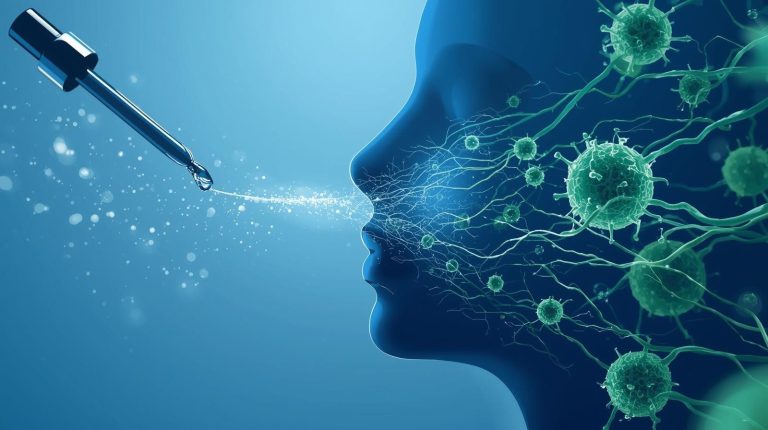
Anti-aging is more than just a buzzword; it’s a science that delves into how our skin maintains its youthful appearance. Central to this is the communication between skin cells, which orchestrates processes like repair, regeneration, and defense against environmental stressors. Understanding this cellular dialogue is crucial in developing effective anti-aging strategies.
As we age, the efficiency of this intercellular communication diminishes. Factors such as UV exposure, pollution, and natural aging processes disrupt the signaling pathways between skin cells, leading to decreased collagen production, reduced elasticity, and the appearance of fine lines and wrinkles. By enhancing skin cell communication, we can promote better skin health, improve resilience, and effectively combat the signs of aging.
Recent advancements in skincare science have highlighted the role of exosomes—tiny vesicles that facilitate cell-to-cell communication—in promoting skin regeneration and reducing inflammation. Incorporating treatments that support and enhance these natural communication pathways offers a promising avenue for anti-aging skincare.
In this article, we will explore the importance of skin cell communication in the context of anti-aging, examining how it affects skin health and how emerging therapies aim to restore and enhance this vital process.
The Role of Skin Cell Communication in Anti-Aging
Our skin is a dynamic organ composed of various cell types, including keratinocytes, fibroblasts, and melanocytes. These cells interact through intricate signaling networks to maintain skin health and appearance. This intercellular communication is crucial for processes such as repair, regeneration, and defense against environmental stressors.
As we age, the efficiency of this cellular dialogue diminishes. Senescent cells, particularly fibroblasts, can disrupt communication by releasing pro-inflammatory factors, leading to decreased collagen production and increased inflammation. This communication breakdown contributes to common signs of aging, such as wrinkles and loss of elasticity.
Enhancing skin cell communication is a promising strategy in anti-aging skincare. By supporting the natural signaling processes, we can promote skin regeneration, reduce signs of aging, and achieve a more youthful complexion.
For more insights into the science of skin aging and innovative treatments, explore our article on Understanding Exosomes in Skincare.
Anti-aging | How Aging Affects Skin Cell Communication

As we age, the intricate communication network between skin cells begins to deteriorate, significantly impacting the skin’s ability to repair and regenerate. This decline in intercellular communication is a pivotal factor in the anti-aging process, as it leads to visible signs of aging such as wrinkles, loss of elasticity, and uneven skin tone.
One of the primary contributors to this decline is the accumulation of senescent cells—aged cells that no longer divide but remain metabolically active. These cells release pro-inflammatory cytokines and matrix-degrading enzymes, disrupting the skin’s structural integrity and hindering effective cell-to-cell signaling. This phenomenon, known as the senescence-associated secretory phenotype (SASP), exacerbates skin aging by promoting chronic inflammation and tissue degradation.
Furthermore, studies have shown that aging affects the function of dermal fibroblasts, the cells responsible for producing collagen and elastin. With age, fibroblasts exhibit reduced responsiveness to growth factors and mechanical stimuli, leading to decreased collagen synthesis and impaired extracellular matrix remodeling. This results in thinner, less resilient skin that is more prone to sagging and the formation of wrinkles.
Additionally, the efficiency of extracellular vesicle (EV)-mediated communication declines with age. EVs play a crucial role in transferring proteins, lipids, and nucleic acids between cells, facilitating coordinated responses to environmental stressors and injury. Aging-related alterations in EV production and content can impair these signaling pathways, further compromising skin homeostasis and regeneration.
Understanding the impact of aging on skin cell communication underscores the importance of targeted anti-aging interventions that aim to restore and enhance these cellular interactions. By focusing on strategies that mitigate senescence, support fibroblast function, and optimize EV-mediated signaling, it is possible to promote healthier, more youthful-looking skin.
For more insights into the science of skin aging and innovative treatments, explore our article on Understanding Exosomes in Skincare.
Enhancing Skin Cell Communication for Anti-Aging Benefits

Effective anti-aging strategies focus on revitalizing the skin’s natural communication pathways, which are essential for maintaining a youthful appearance. By enhancing intercellular communication, we can stimulate collagen production, reduce inflammation, and promote skin regeneration.
Peptides: Small Molecules with Significant Impact
Peptides are short chains of amino acids that serve as messengers between skin cells. Their small molecular size allows them to penetrate the epidermis effectively, making them valuable in topical anti-aging treatments. Peptides can signal the skin to produce more collagen and elastin, leading to improved firmness and elasticity. However, it’s important to use peptide-rich products judiciously, as overuse may lead to skin irritation, especially in sensitive individuals.
Growth Factors: Stimulating Skin Repair
Growth factors are proteins that play a crucial role in skin healing and regeneration. They promote collagen synthesis and help maintain skin structure and elasticity. While their larger molecular size can limit penetration in topical applications, advancements in skincare formulations are enhancing their delivery and effectiveness.
Exosome Therapy: Advancing Skin Rejuvenation

Exosomes are nano-sized vesicles secreted by stem cells that facilitate intercellular communication. In skincare, exosome therapy is emerging as a promising anti-aging treatment. Exosomes can stimulate fibroblast activity, leading to increased collagen production, improved skin elasticity, and reduced appearance of wrinkles. Additionally, they help attenuate age-related inflammation and oxidative stress, contributing to overall skin health.
Integrating these components—peptides, growth factors, and exosomes—into your skincare regimen can enhance skin cell communication and combat the signs of aging. For a comprehensive understanding of how these elements work together, explore our article on Understanding Exosomes in Skincare.
Note: Always consult with a skincare professional before introducing new treatments into your routine to ensure they are appropriate for your skin type and concerns.
Internal Resources for Further Reading
In the pursuit of effective anti-aging strategies, enhancing skin cell communication emerges as a pivotal focus. As we’ve explored, the intricate dialogue between skin cells orchestrates essential processes like repair, regeneration, and defense against environmental stressors. With aging, this communication network deteriorates, leading to common signs of aging such as wrinkles, loss of elasticity, and uneven skin tone.
Advancements in skincare science offer promising avenues to bolster this cellular interplay. Incorporating ingredients like peptides and growth factors can mimic natural signaling molecules, promoting collagen synthesis and reducing inflammation. Moreover, emerging treatments such as exosome therapy have shown potential in enhancing cell communication, stimulating fibroblast activity, and improving skin elasticity.
Beyond topical applications, lifestyle choices play a crucial role in supporting skin health. Adequate hydration, a balanced diet rich in antioxidants, regular exercise, and sufficient sleep contribute to the maintenance of effective skin cell communication and overall skin vitality.
By focusing on strategies that restore and enhance skin cell communication, we can promote skin regeneration, reduce signs of aging, and achieve a more youthful complexion. Embracing a holistic approach that combines advanced skincare treatments with healthy lifestyle habits offers the most comprehensive path to enduring skin health and vitality.
For further insights into innovative anti-aging treatments and the science behind skin regeneration, explore our article on Understanding Exosomes in Skincare.
Conclusion
In the pursuit of effective anti-aging strategies, enhancing skin cell communication emerges as a pivotal focus. As we’ve explored, the intricate dialogue between skin cells orchestrates essential processes like repair, regeneration, and defense against environmental stressors. With aging, this communication network deteriorates, leading to common signs of aging such as wrinkles, loss of elasticity, and uneven skin tone.
Advancements in skincare science offer promising avenues to bolster this cellular interplay. Incorporating ingredients like peptides and growth factors can mimic natural signaling molecules, promoting collagen synthesis and reducing inflammation. Moreover, emerging treatments such as exosome therapy have shown potential in enhancing cell communication, stimulating fibroblast activity, and improving skin elasticity.
Beyond topical applications, lifestyle choices play a crucial role in supporting skin health. Adequate hydration, a balanced diet rich in antioxidants, regular exercise, and sufficient sleep contribute to the maintenance of effective skin cell communication and overall skin vitality.
By focusing on strategies that restore and enhance skin cell communication, we can promote skin regeneration, reduce signs of aging, and achieve a more youthful complexion. Embracing a holistic approach that combines advanced skincare treatments with healthy lifestyle habits offers the most comprehensive path to enduring skin health and vitality.
For further insights into innovative anti-aging treatments and the science behind skin regeneration, explore our article on Understanding Exosomes in Skincare.